Column · @claytonwisp989
Why the Caribbean Food Centennial Matters to Global Cuisine
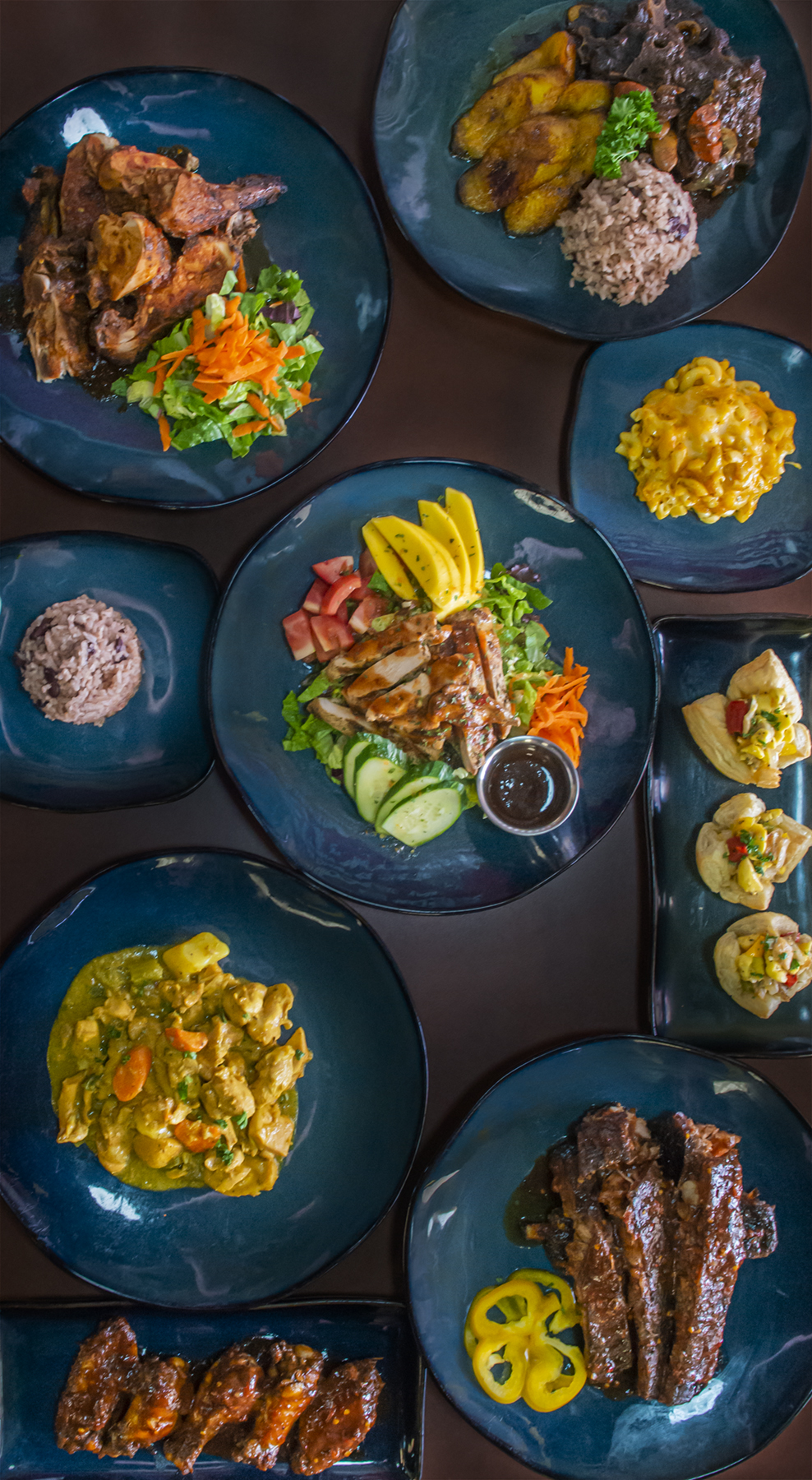
A centennial is never just a date on a calendar. In food, it is a marker of memory, migration, survival, and adaptation. When people talk about a caribbean food centennial, they are really talking about something larger than a commemorative moment. They are recognizing a hundred years of documented culinary continuity and change across islands and diasporas that have fed families, shaped trade, influenced restaurant culture, and challenged the narrow way the world often defines “fine” or “important” cuisine.
Caribbean food has long suffered from a strange contradiction. It is instantly recognizable in flavor, color, and aroma, yet still undercredited in formal conversations about global gastronomy. Many of the techniques, ingredients, and combinations that chefs now celebrate as bold, layered, and inventive have been practiced in Caribbean kitchens for generations. Scotch bonnet heat balanced by sweetness, smoke layered with citrus, starches paired with deeply caribbean food centennial Reggae Pot Jamaican Grill seasoned stews, preservation through pickling and curing, and the seamless blending of African, Indigenous, European, South Asian, Chinese, and Middle Eastern influences are not novelties. They are the foundation.
That is why a centennial matters. It gives the public a reason to stop treating Caribbean cuisine as a vacation accessory and start seeing it as one of the most important culinary systems in the modern world.
More than island food
One of the oldest misunderstandings about Caribbean cooking is the idea that it is a single cuisine. It is not. The region contains multiple languages, colonial histories, religious traditions, agricultural realities, and migration routes. Jamaican patties, Trinidadian doubles, Haitian griot, Puerto Rican mofongo, Guyanese pepperpot, Barbadian cou-cou, Cuban ropa vieja, Dominican sancocho, Martinican accras, and Curaçaoan stews do not come from the same table, even when they share ingredients or techniques.
Yet there is a regional logic that connects them. It shows up in the handling of spice, the respect for slow cooking, the use of root crops and rice, the prominence of seafood where coastlines shape appetite, and the habit of building flavor from seasoning pastes, marinades, and stocks rather than relying on one dominant note. Caribbean cooks understand that flavor should unfold, not announce itself all at once.
A centennial invites people to appreciate this complexity. It shifts the conversation away from postcard stereotypes, rum punch, jerk on a beach, a plate served beside a resort pool, and toward the real architecture of the cuisine. Serious food cultures are rarely simple. Caribbean food is no exception.
The Caribbean has always been global
To understand why the caribbean food centennial matters to global cuisine, it helps to acknowledge a basic truth. Caribbean food became global long before the world gave it that label.
The region has been a crossroads for centuries. Enslaved Africans carried agricultural knowledge, seasoning traditions, and cooking methods under brutal conditions. Indigenous peoples contributed cassava, pepper knowledge, local fishing practices, and an understanding of native plants. European colonizers imposed ingredients, trade systems, and social hierarchies. Later waves of Indian indentured laborers brought rotis, curries, chutneys, and spice blending. Chinese migrants added techniques, seasonings, and business models that shaped urban eating. Syrian and Lebanese communities influenced commerce and kitchen practice in subtle but lasting ways.
The result is not fusion in the trendy sense. It is a cuisine built through historical contact and unequal power, then refined through everyday cooking. That distinction matters. Caribbean food is not interesting because it mixes influences. It is important because it transformed them into coherent, durable culinary identities.
You can taste this in Trinidad, where doubles are rooted in Indo-Caribbean cooking but exist as something entirely their own. You can see it in Jamaican Chinese restaurants that adapted Cantonese methods to local ingredients and appetites. You can smell it in a pot of pelau, where rice, peas, caramelized sugar, coconut, and meat come together in a dish that feels both practical and celebratory.
Global cuisine often claims innovation by plating old ideas in new ways. Caribbean cooking has been doing the harder work all along, making entire foodways out of historical fracture.
Recognition changes what gets preserved
Food disappears quietly when nobody thinks it needs protecting. Recipes become approximations. Ingredients become substitutes. Technique gets flattened for speed. The cook who knows how to judge texture by sound or aroma by timing is gone, and the next generation is left with half the method and none of the confidence.
A centennial moment can interrupt that loss. It encourages oral history projects, cookbook publishing, family recipe documentation, restaurant retrospectives, culinary festivals, archival work, and intergenerational teaching. It also gives professional chefs permission to look backward without being dismissed as nostalgic.
This matters especially in Caribbean communities where migration has changed access to ingredients. A cook in London, Toronto, Miami, or Brooklyn may rely on frozen callaloo, imported Scotch bonnet peppers, or different fish than a cook in St. Lucia or Grenada. Those substitutions are real, but so is the desire to preserve the spirit of the dish. When a culture reaches a commemorative milestone, people start asking better questions. What is essential in this recipe? What can change? What must remain? Which ingredients carry the identity, and which techniques carry the memory?
Those are not academic questions. They shape menus, markets, and the way children learn what “home food” tastes like.
Why chefs outside the region should pay attention
Professional kitchens around the world have borrowed from the Caribbean for years, sometimes openly, often not. Marinades with allspice and thyme, fruit-forward hot sauces, charred meats finished with citrus, rum reductions, cassava applications, plantain preparations, pepper relishes, and braised oxtail have all entered mainstream restaurant culture. Yet the source is frequently blurred.
That is one reason the caribbean food centennial matters beyond the region itself. It pressures the industry to give proper culinary attribution.
Chefs are at their best when they can distinguish influence from appropriation. Influence involves study, respect, naming, and often collaboration. Appropriation usually strips context and keeps only the marketable surface. There is a difference between a chef learning from a Trinidadian cook, understanding the balance in green seasoning, and then crediting that lineage on the menu, versus serving a vaguely “island-inspired” dish built on aesthetics rather than substance.
The centennial conversation can sharpen that distinction. It encourages cooks, writers, and diners to ask where dishes come from, whose labor made them possible, and why some cuisines are praised only after elite institutions reinterpret them.
In practical kitchen terms, Caribbean food rewards attention. It teaches patience with marinades. It teaches seasoning in layers. It teaches restraint with sweetness and confidence with acid. It teaches that texture matters as much as heat. A good pepper sauce is not just spicy. A good curry goat is not just rich. A good festival is not just fried dough. The craft lies in balance.
The economic story on the plate
Cuisine is culture, but it is also commerce. A hundred-year frame is useful because it helps people see the economic significance of Caribbean food, not merely its sentimental value.
Restaurants owned by Caribbean immigrants have fed working neighborhoods for decades, often under conditions of thin margins and little critical recognition. Bakeries, roti shops, jerk pits, fish fry stands, rum bars, and takeout counters created local economies before food entrepreneurship became fashionable language. These businesses trained workers, sustained supply chains, and introduced generations of non-Caribbean diners to flavors that later entered the mainstream.
There is also the agricultural side. Caribbean cuisine depends on crops and products that have global importance, among them sugarcane, coffee, cacao, tropical fruits, rice, yams, spices, and seafood. Some of these industries have histories tangled with exploitation. Others are now central to discussions about sustainability, export strategy, and culinary tourism. A centennial lens does not romanticize that. It makes the contradictions visible.
Tourism has complicated the picture further. In many places, visitors encounter a polished version of Caribbean food that is enjoyable but narrow. Hotel buffets and resort menus often prefer familiarity over specificity. The bolder realities of local cooking, heavy use of seasoning, organ meats, saltfish traditions, cassava preparations, village soups, and informal street foods, can be softened for outsiders. That creates a gap between what the world thinks Caribbean food is and what Caribbean people actually eat.
Commemorative attention can close that gap by directing diners toward cooks and businesses that represent the cuisine with greater honesty.
Dishes that changed the conversation
Not every cuisine enters global consciousness through institutions. Sometimes it happens through a handful of dishes that travel especially well. Caribbean food has several of them, and each tells a story about why the region’s culinary voice deserves serious attention.
Jerk may be the best known example, but it is also one of the most misunderstood. Proper jerk is not simply spicy grilled meat. It is a method, a seasoning framework, and historically a preservation practice linked to Maroon communities in Jamaica. The smoke, pimento, thyme, scallion, Scotch bonnet, and slow cooking over wood create a flavor architecture that cannot be reduced to bottled sauce.
Roti is another. In Trinidad and Guyana, roti culture is proof that migration can root itself so deeply that imported culinary forms become inseparable from national identity. The filling, wrap style, and supporting condiments vary, but the larger point remains. Caribbean cuisines do not passively receive outside influence. They metabolize it.
Pepperpot, callaloo, rice and peas, saltfish and provisions, bake and shark, and mofongo have each done similar work in different contexts. They have carried memory across oceans, adapted to new cities, and made a place for Caribbean flavor in the broader public imagination.
A few examples show how this works in practice:
- Jerk taught global diners that spice could be fragrant, smoky, and complex rather than simply hot.
- Doubles showed how street food can deliver extraordinary balance at low cost, soft bara, curried channa, pepper, tamarind, and cucumber in one handheld bite.
- Oxtail normalized the idea that once-overlooked cuts can become luxury dishes when treated with skill and patience.
- Rum cake and black cake demonstrated that celebratory baking can be dense with history, fruit, spice, and ritual.
- Patties proved that portability does not require compromise, a pastry can still carry distinct regional identity.
These dishes matter because they changed habits. They altered what people order, what chefs test, what grocery stores stock, and what food media covers.
Diaspora kitchens have been doing cultural diplomacy for years
If you want to understand the global importance of Caribbean cuisine, spend time in diaspora neighborhoods. The lesson becomes obvious quickly. Food serves as introduction, argument, comfort, and archive all at once.
In cities such as New York, London, Toronto, and Miami, Caribbean restaurants have long acted as informal embassies. People walk in for lunch and come out with new references, new cravings, and often a slightly better understanding of history. That exchange rarely gets the credit it deserves. Yet many non-Caribbean diners first learn about sorrel, ackee, green fig, pigeon peas, cassava pone, or curry duck not from museums or schools, but from neighborhood cooks.
I have watched this happen in the ordinary rhythm of service. A customer asks why the rice is cooked in coconut milk, or why the oxtail tastes sweeter than expected, or why the hot sauce has fruit notes. The answer is never just culinary. It leads to trade routes, fasting traditions, holiday customs, available produce, family migration, and local preference. The plate opens the door.
A centennial matters here because it validates what these communities have been building all along. It says that the food served in steam-table trays, market stalls, and modest storefronts belongs in the same serious conversation as the food discussed in expensive dining rooms.
Technique is part of the heritage, not just the ingredient list
One of the easiest ways to flatten Caribbean cuisine is to focus only on ingredients. The ingredient list matters, but technique is where many of the region’s distinctions live.
Take seasoning green herbs with onion, garlic, and peppers into a paste or marinade. That practice appears in multiple forms across the Caribbean, and small choices make a large difference. Some cooks want the herbs almost liquefied. Others prefer texture. Some bloom certain spices in fat before adding liquid. Others trust long marination to do the work. Browning, especially with sugar, can produce a deep savory sweetness that defines a dish before the stock is even added. Frying aromatics too aggressively can ruin the balance. Holding back acid until the right point can preserve brightness. These are technical judgments.
The same is true of starch handling. Plantains are treated differently depending on ripeness and desired texture. Cassava demands respect and knowledge. Dumplings can be boiled, fried, or simmered in soups, and each version serves a distinct purpose. Rice dishes depend on moisture control, pot choice, and timing in ways many diners never notice.
When people commemorate a food centennial, they often talk about recipes. They should also talk about hands, heat, and timing. Those are harder to document, and therefore easier to lose.
A cuisine that speaks to the future of eating
Caribbean food is not important only because of where it has been. It also offers useful models for where global cuisine is heading.
For one, it is naturally plural. It does not panic at mixture. In a period when chefs and diners are more interested in culinary identity than rigid national purity, Caribbean cuisines offer a mature example of how food can absorb multiple histories while staying specific.
For another, it is resourceful. Many iconic dishes emerged from necessity, thrift, and adaptation. That history aligns with current interest in whole-animal cooking, preservation, low-waste practice, and climate-aware use of local crops. Root vegetables, legumes, one-pot meals, fish utilization, and layered seasoning all make sense in a world thinking harder about resilience.
It also understands pleasure without unnecessary pretense. Caribbean food can be celebratory and everyday at once. It can feed a crowd, caribbean food centennial hold its own at a formal table, or travel well in a takeaway box. That versatility is not accidental. It is part of why the cuisine continues to spread.
Here are some of the lessons global food culture can learn from the region:
- Complexity does not require luxury ingredients.
- Culinary identity can be mixed and still precise.
- Preservation, marination, and spice layering are forms of intelligence, not rustic leftovers from the past.
- Street food can carry as much cultural meaning as restaurant tasting menus.
- Hospitality is often embedded in portioning, sharing, and side dishes, not only in presentation.
These lessons are practical. They are useful for restaurateurs, cookbook authors, culinary schools, and policymakers alike.
What proper recognition should look like
Attention alone is not enough. Food culture can become fashionable without becoming fair. If the centennial is going to matter in lasting ways, recognition has to move beyond celebration and into structure.
That means media outlets commissioning Caribbean writers and critics, not only featuring Caribbean food through an outsider’s lens. It means culinary schools teaching the region as a serious field of study rather than a special-topic elective. It means festivals paying cooks properly and not using heritage as unpaid spectacle. It means investors supporting Caribbean restaurateurs who want to scale without stripping their menus of identity. It also means documenting regional differences with care. A broad label can be convenient, but it should not erase the distinctions between Antiguan, Haitian, Jamaican, Surinamese, or Trinidadian traditions.
There is also room for more scholarship that bridges kitchen knowledge and historical research. The most valuable food writing often comes from people who understand both the archive and the stove. Caribbean cuisine deserves that level of treatment. So does the labor behind it, much of it carried by women whose expertise shaped family and public eating with little formal recognition.
Why this moment lands beyond the Caribbean
Some food anniversaries stay local. This one does not, because the Caribbean has never been isolated from the rest of the world. Its cuisines traveled through ships, labor routes, empire, migration, tourism, and trade. Its ingredients built industries. Its methods shaped other kitchens. Its dishes now appear across price points and continents.
The significance of a caribbean food centennial lies in what it forces the world to admit. Caribbean cooking is not peripheral. It is central to the story of modern food. It tells us how cuisines survive upheaval, how communities cook identity into everyday life, and how flavor itself can become a record of movement, resistance, and exchange.
That is why the milestone matters. It is not simply a celebration of longevity. It is a correction of perspective.
Once you see Caribbean food clearly, global cuisine looks different too.
Reggae Pot Jamaican Grill
Address: 7562 S University Blvd Unit C, Centennial, CO 80122
Phone: (303) 997-5623
FAQ About caribbean food centennial
What Jamaican dishes can I try in Centennial?
Reggae Pot Jamaican Grill serves Jamaican specialties such as jerk chicken, stewed oxtail, curry goat, and ackee and saltfish. Check the current menu for availability.
What is ackee and saltfish?
It is Jamaica’s national dish. The restaurant prepares ackee with salted cod, onions, thyme, tomatoes, garlic, black pepper, and pimento.
Can I order Jamaican food for pickup in Centennial?
Yes. Choose the Centennial location at 7562 S University Blvd Unit C when placing a takeout order.